Interior Design Spotlight: The Art of Modern Minimalism
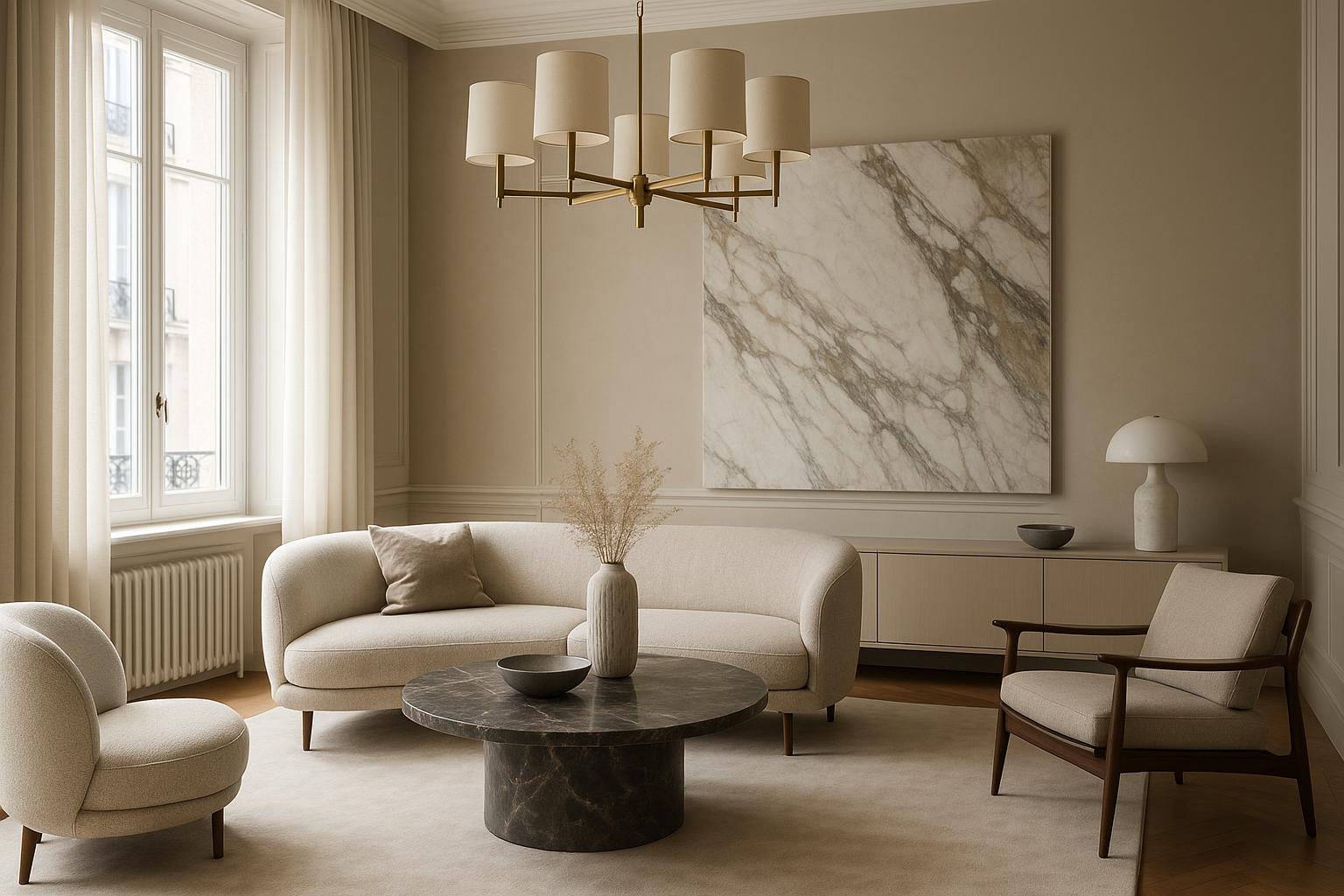
Modern minimalism has evolved far beyond the stark, cold spaces that once defined the aesthetic. Today's interpretation—what we call "warm minimalism"—creates serene, sophisticated environments that feel inviting and personal while maintaining the clean lines and uncluttered spaces that make minimalism so appealing.
The Philosophy Behind Warm Minimalism
At its core, minimalism is about intentionality. Every element in a space should serve a purpose, whether functional or aesthetic. But warm minimalism adds layers of texture, natural materials, and carefully curated personal touches that make spaces feel lived-in and welcoming.
The goal isn't to create a showroom or museum—it's to design spaces that enhance daily life by reducing visual noise and creating calm, beautiful environments.
Key Principles
Quality Over Quantity
In minimalist design, every piece matters. Rather than filling a room with furniture and accessories, we select fewer, higher-quality pieces that make strong statements. A single stunning piece of art can be more impactful than a gallery wall. One exceptional sofa is better than multiple mediocre pieces.
This approach actually makes minimalism more accessible than it might seem. While individual pieces may be investment purchases, you need fewer of them.
Texture and Materiality
The secret to warm minimalism is texture. Without the visual interest provided by multiple objects and patterns, texture becomes crucial. We layer different materials:
- Natural wood with visible grain
- Textured fabrics like linen, wool, and bouclé
- Stone and concrete
- Metals in warm finishes like brass and bronze
- Woven materials like rattan and jute
These varied textures create depth and interest while maintaining a cohesive, calm aesthetic.
Neutral Color Palettes with Warmth
While minimalist spaces often feature neutral colors, we're moving away from stark whites and cool grays toward warmer neutrals:
- Warm whites and creams
- Beiges and taupes
- Soft grays with warm undertones
- Natural wood tones
- Muted earth tones
These colors create serene spaces that feel cozy rather than clinical.
Natural Light and Thoughtful Lighting
Minimalist spaces rely heavily on natural light. Large windows, minimal window treatments, and strategic placement of mirrors maximize daylight. When artificial lighting is needed, we use:
- Sculptural fixtures that serve as art pieces
- Recessed lighting for ambient illumination
- Table and floor lamps with beautiful forms
- Dimmer switches for adjustable ambiance
Hidden Storage
Clutter is the enemy of minimalism. Built-in storage solutions keep belongings organized and out of sight:
- Floor-to-ceiling closets with custom interiors
- Built-in cabinetry that blends with walls
- Furniture with hidden storage
- Dedicated storage rooms and mudrooms
Architectural Details
In minimalist spaces, architectural elements become focal points:
- Exposed beams
- Interesting ceiling details
- Feature walls with texture or stone
- Fireplaces as sculptural elements
- Staircases as design statements
Room-by-Room Application
Living Spaces
Living rooms in warm minimalist homes feature comfortable, well-scaled seating arranged for conversation. A single large piece of art or a statement light fixture provides visual interest. Natural fiber rugs define seating areas and add warmth.
Kitchens
Minimalist kitchens prioritize clean lines and hidden storage. We use: - Handleless cabinetry - Integrated appliances - Stone or quartz countertops with minimal seams - Open shelving for displaying beautiful dishware - Pantries that hide everyday clutter
Bedrooms
Bedrooms become true sanctuaries with: - Platform beds with simple, elegant frames - Luxurious bedding in natural fibers - Minimal nightstands - Soft, layered lighting - One or two meaningful art pieces
Bathrooms
Spa-like bathrooms feature: - Large-format tiles with minimal grout lines - Floating vanities - Frameless glass shower enclosures - Natural stone - Minimal accessories
Case Study: Penthouse Redesign
Our recent Penthouse Redesign project perfectly demonstrates warm minimalism. The clients wanted a serene retreat from their busy professional lives, but they also wanted their home to feel warm and inviting for entertaining.
We created an open-concept living space with: - A neutral palette of warm whites, natural oak, and soft grays - Custom built-in storage throughout - A stunning live-edge dining table as the room's centerpiece - Textured linen drapery and wool area rugs - Carefully selected art and accessories
The result is a space that feels both calm and sophisticated, minimal yet warm—exactly what the clients envisioned.
Common Mistakes to Avoid
Too Stark
The biggest mistake in minimalist design is creating spaces that feel cold and uninviting. Always incorporate warmth through texture, natural materials, and appropriate lighting.
Uncomfortable
Minimalism should never sacrifice comfort. Invest in comfortable, high-quality furniture. Your sofa should be beautiful and comfortable.
Impersonal
While minimalism means fewer accessories, it shouldn't mean no personality. Display meaningful art, books, and objects that reflect who you are.
Poor Storage Planning
Without adequate storage, minimalism is impossible to maintain. Plan storage carefully from the beginning.
Conclusion
Modern minimalism, done right, creates spaces that are both beautiful and livable—calm refuges from our busy, cluttered world. It's about thoughtful curation, quality materials, and creating environments that enhance daily life.
If you're drawn to minimalist aesthetics but want spaces that feel warm and inviting, our design team would love to help you create your perfect minimalist sanctuary.